A journey into Chile’s Atacama Desert offers more than dramatic landscapes ...
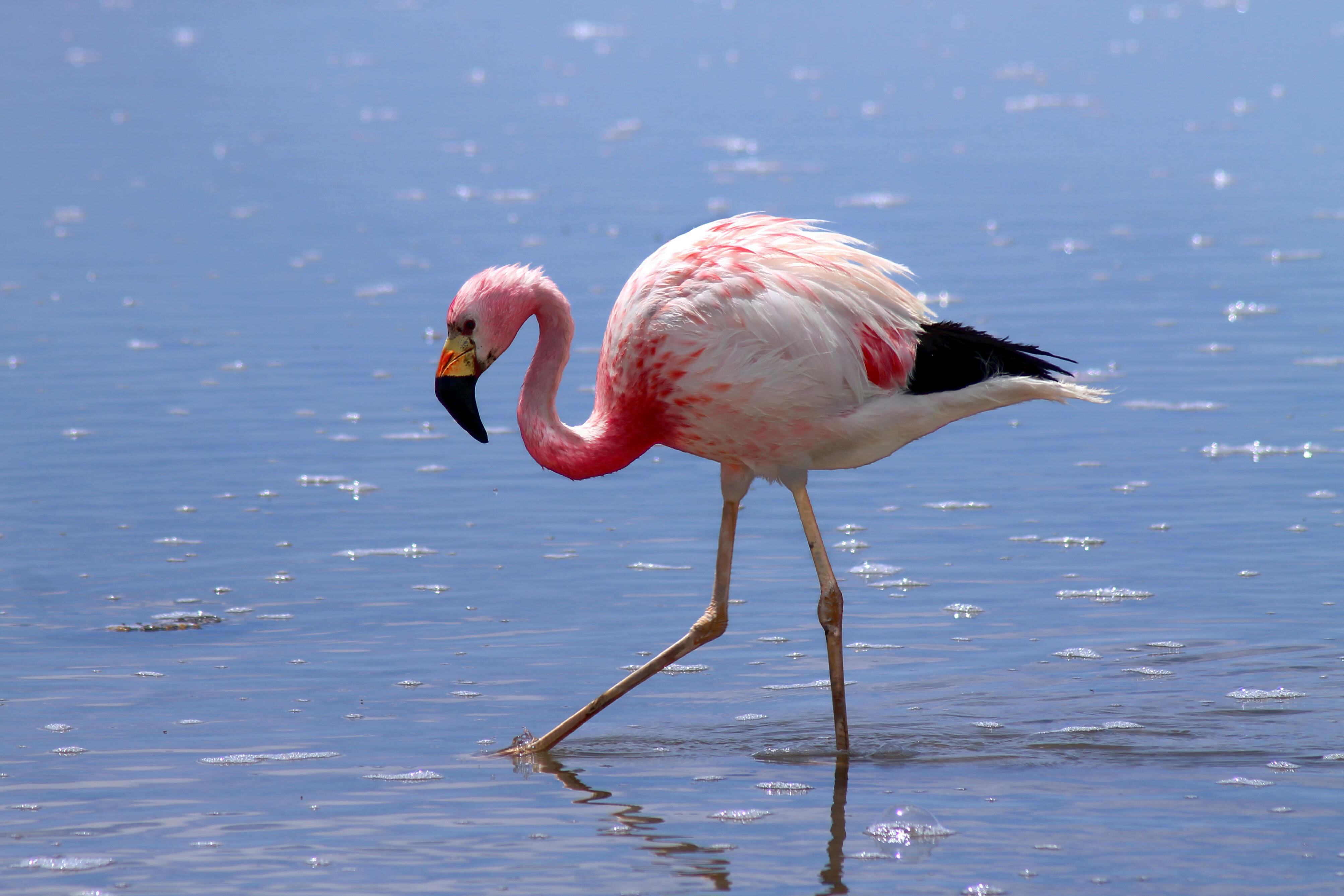
A journey into Chile’s Atacama Desert offers more than dramatic landscapes and vast salt flats—it provides a rare opportunity to observe flamingos thriving in one of the harshest environments on Earth. Visiting the high-altitude lagoons of the Salar de Atacama, such as Laguna Chaxa, is a compelling example of how wildlife tourism can be both enriching and ethical.
These shallow, mineral-rich waters are home to three species of flamingos: Andean, James’s, and Chilean flamingos. Drawn by microscopic algae and brine shrimp, the birds move gracefully through the lagoons, their soft pink hues contrasting with the white salt crust and distant volcanoes. Observing them in silence, from designated paths, underscores the importance of minimizing human disturbance in fragile ecosystems.
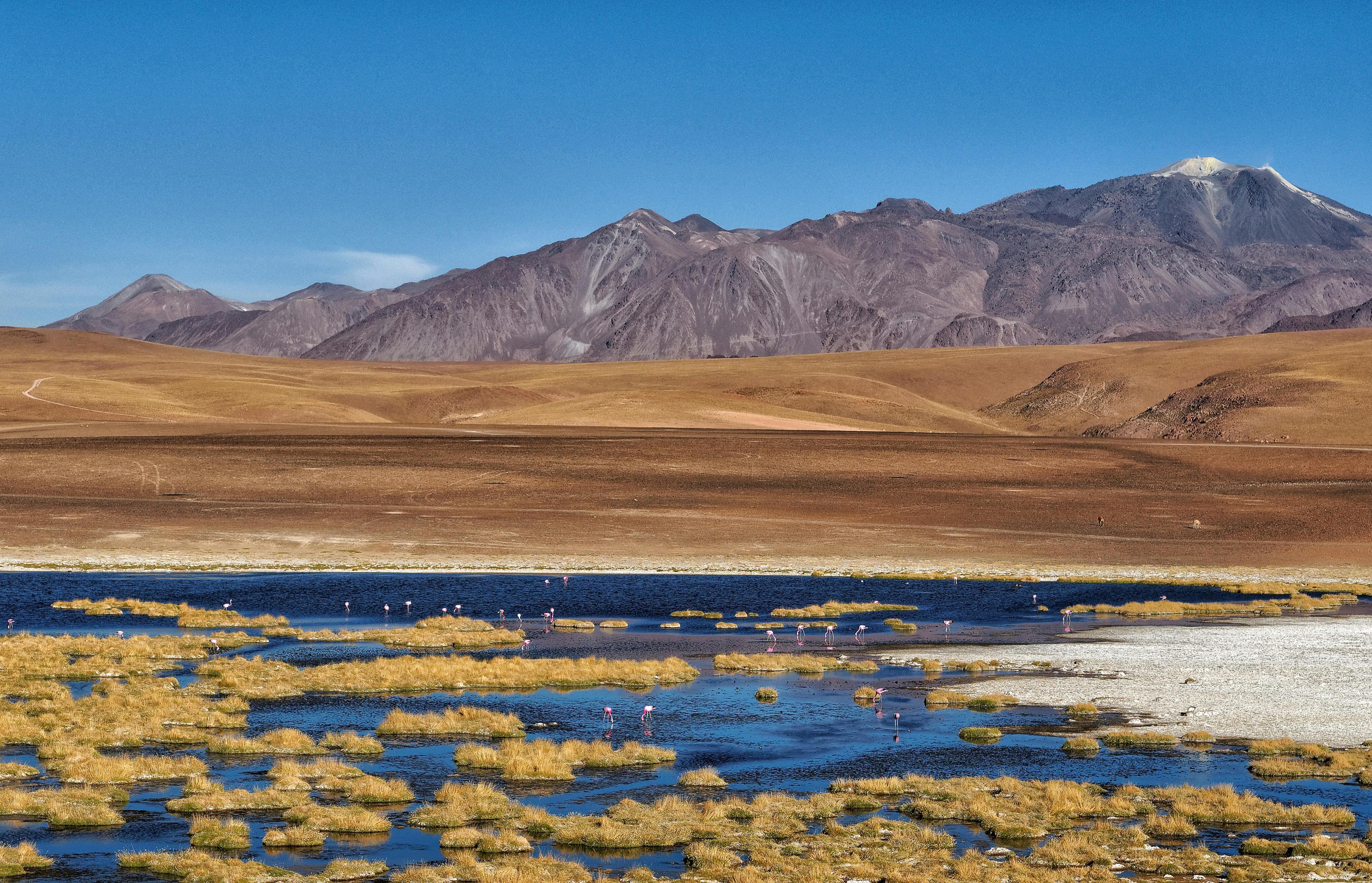
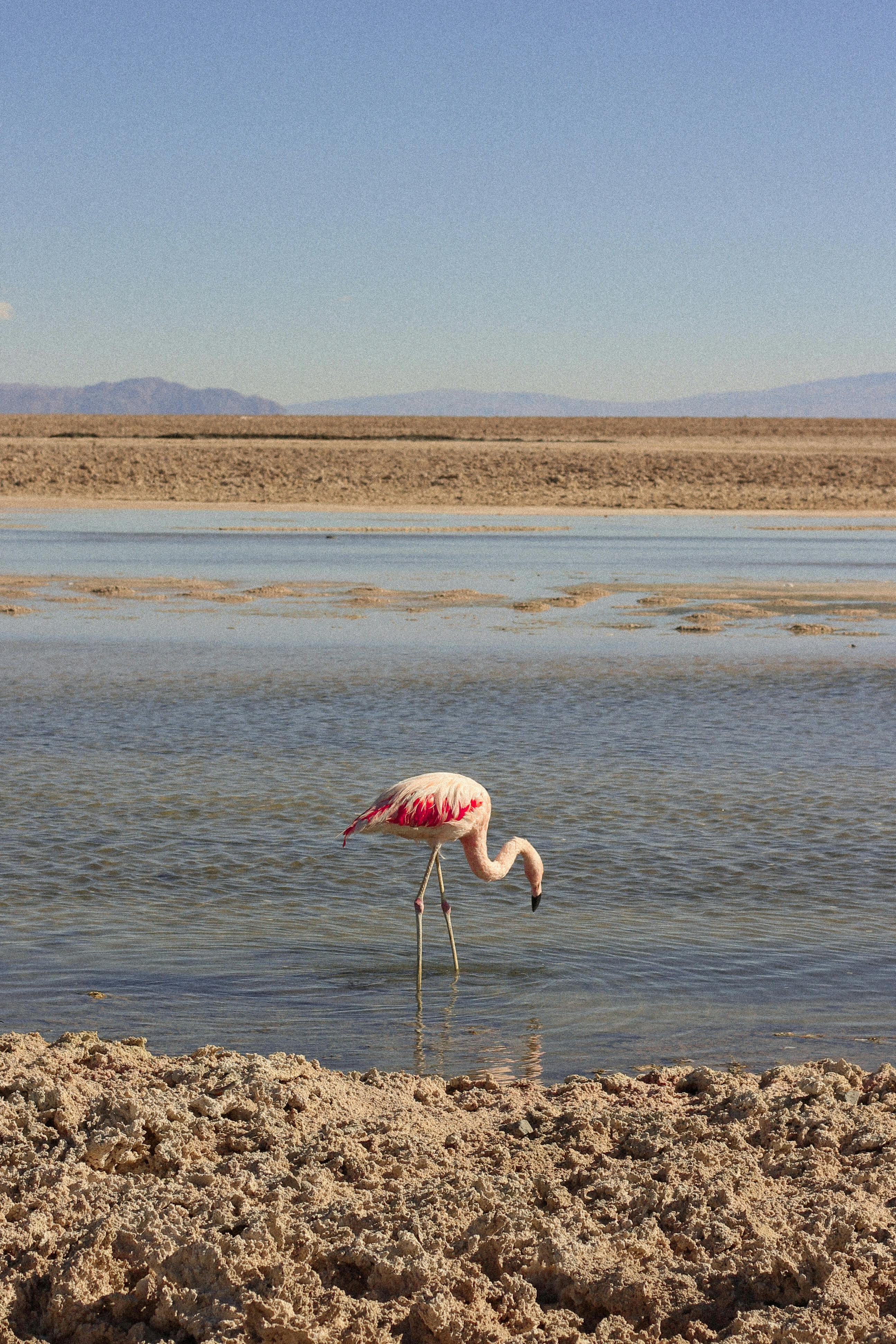
Ethical wildlife experiences in the Atacama are guided by clear principles. Local regulations restrict access to sensitive areas, limit visitor numbers, and require visitors to maintain safe distances. Reputable guides emphasize education over proximity, explaining how climate, water balance, and conservation efforts directly affect flamingo populations. Entrance fees often support indigenous communities and habitat protection initiatives, reinforcing a model where tourism contributes to long-term stewardship.
A visit to see flamingos in the Atacama is not about spectacle or interaction, but about presence and respect. It is an experience that rewards patience, awareness, and a commitment to responsible travel—proving that meaningful wildlife encounters are those that leave nature undisturbed and better protected for the future.