Every year, millions of travellers journey across the globe to appreciate nature and wildlife. Swimming with dolphins, feeding a monkey or petting a lion cub may seem like dream experiences, yet they hide a different reality. Studies show that 75% of wildlife tourism attractions involve severe animal abuse and contribute to declines in wild populations. This cruelty isn't usually driven by bad people, but by a lack of information.
That is why, in this article, we explain our standards for responsible wildlife interactions: guidelines based on animal behaviour and conservation research that prioritise animal welfare while preserving the magic of the encounter.
1. No Touching Wild Animals
Why is this a problem? Since humans are strangers to most wildlife, being handled represents a threat that causes stress, which, if prolonged, can lead to "capture myopathy" or heart failure. Furthermore, animals with delicate skin can be physically hurt, and they can catch diseases from human pathogens against which they have no immunity.
Touching is also dangerous for humans, as even seemingly "tame" animals are unpredictable and can attack. Some wildlife pathogens can also be fatal to humans. And in protected areas where touching wildlife is prohibited, it has legal consequences.
The impact of this practice is concerning. A 73% average decline in monitored wildlife populations is primarily driven by human interference. Moreover, 64% of wild-caught animals lose weight due to chronic stress. And 75% of emerging human diseases are triggered by handling or consuming wildlife.
How can we do better? Keep your distance, use cameras or binoculars instead of getting physically close, stay on marked paths and, if an animal needs help, call the experts instead of attempting a rescue yourself.
2. No Feeding Wildlife
When we travel, we want to connect, and offering food to a monkey, a bird or a sea turtle feels generous. But wild animals have evolved over thousands of years to find, hunt and forage for their own food. The moment we intervene, we start unravelling something fragile.
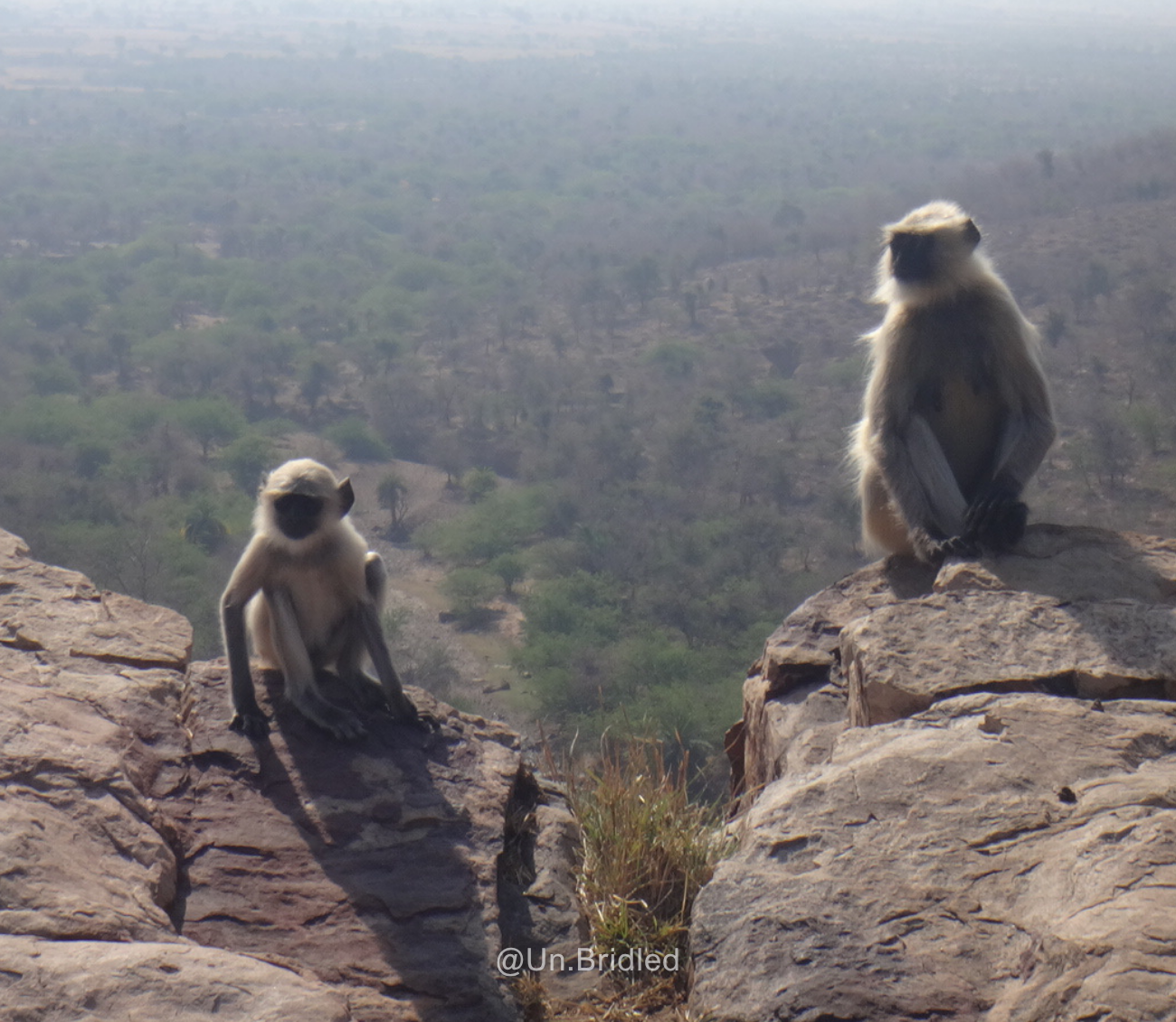
Animals that are fed stop behaving like wild animals: they lose their natural instincts, reduce their home range, become aggressive towards humans when food isn't given, and lose the wariness that keeps them alive in the wild. Repeated feeding can drastically change their lives. Moreover, research on primate-feeding tourism found that feeding stations significantly increased parasite transmission among endangered species, and zoonotic diseases spread more easily when people and wildlife share food.
Fed animals can also become dangerous. It's not the animal's fault — it's conditioning. Bears raid campsites, monkeys snatch bags, stingrays gather in crowds, alligators approach boats — and in most of these cases, it is the animal that pays the price. A fed animal is a dead animal: once an animal is food-conditioned and poses a risk to humans, that behaviour is nearly impossible to reverse, and park services are often forced to euthanise animals made "dangerous" by tourists feeding them. What started as a kind gesture ends a life.
We must remember that every species plays a role, whether in pollination, seed dispersal, predator–prey balance or soil health. When feeding disrupts natural foraging, it doesn't just affect one animal; it affects the entire ecosystem that animal is part of.
How can we do better? Watch animals enjoying their natural diet, secure your food and waste to avoid accidental feeding, speak up if you see other tourists feeding wildlife, and book experiences that actively explain natural diets and ecosystem balance.
3. No Unnatural Behaviour
If wildlife is performing, something is wrong. Animals must never be manipulated or trained to perform for human entertainment, whether in shows, selfie photos or rides. The rule is simple: if it wouldn't happen in nature, it shouldn't happen for tourism.
What most visitors don't see behind every performing animal is the training process. From a young age, animals are separated from their mothers and subjected to confinement and fear-based conditioning to force obedience. Many of them develop zoochosis, a form of psychological distress that shows up as repetitive, compulsive behaviour: rocking, pacing, self-mutilation. These behaviours only occur in animals that are victims of captivity.
Selfies and social media trends have made it worse. A selfie that took ten seconds often involves months of suffering, and every share amplifies demand for the next one. Today, 110 million people visit these attractions, and an estimated 550,000 wild animals are suffering in them.
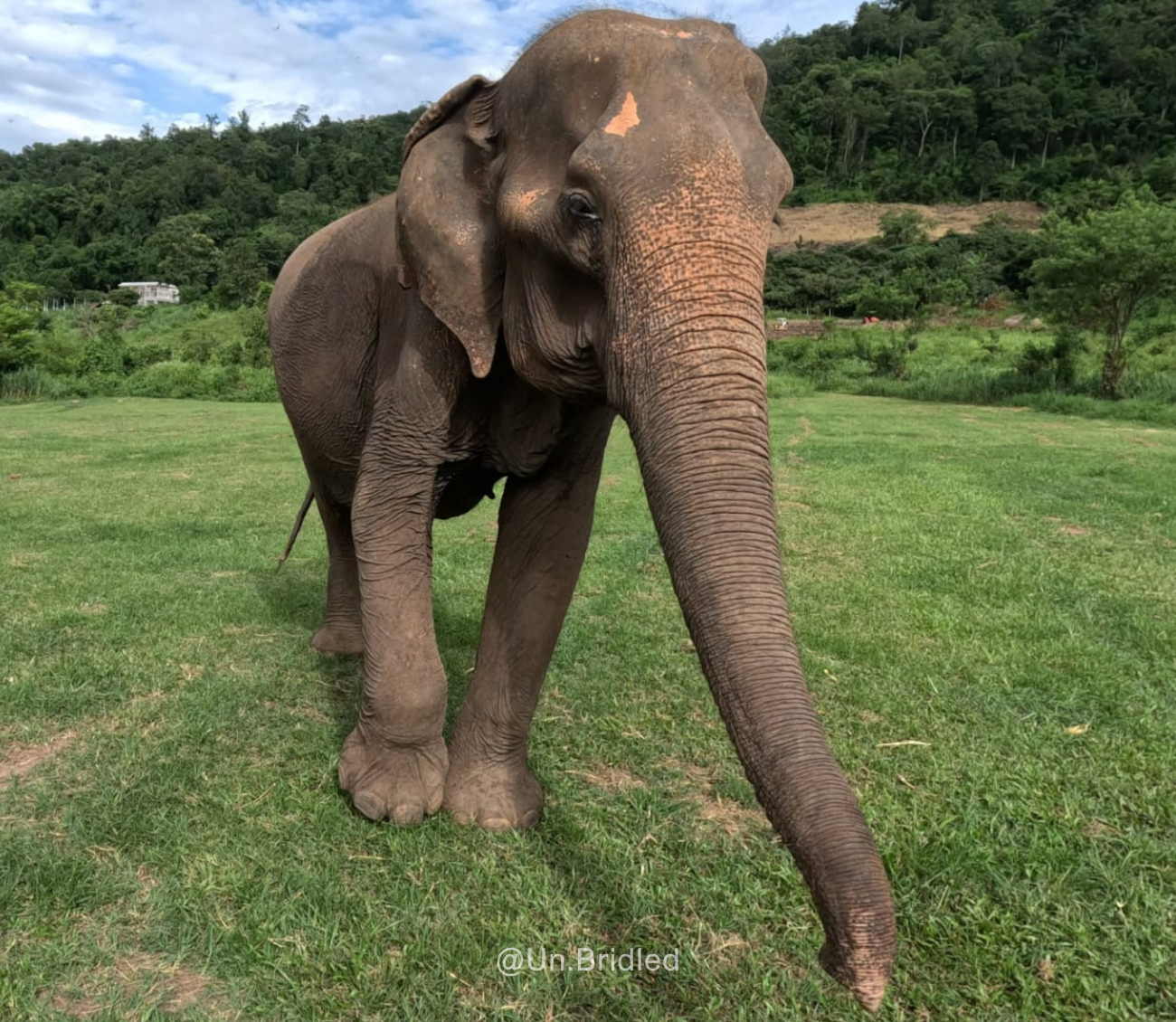
How to spot red flags? Don't book if animals perform tricks for rewards, if you're offered a ride, a touch or a pose, if animals seem dazed or unnaturally calm around humans, if you see repetitive pacing or swaying, or if handlers carry hooks or chains.
How can we do better? Watch animals being themselves. Choose places where animals move freely and interaction happens on their terms, not ours. Ask operators questions before booking and skip the trendy selfie — no photo that involves cruelty is worth it.
4. No Disturbing Wildlife
This standard covers anything that changes how an animal naturally behaves: getting too close, sudden movements or sounds, strong lights at night, camera flash, drones, or blocking an animal's path. The goal isn't to be invisible but irrelevant, so that the animal can carry on living normally.
Wildlife researchers have found that cortisol (stress hormone) levels rise significantly after tourist visits, even in animals used to human presence. Chronic stress from repeated disturbance can suppress immunity, disrupt reproduction and shorten lifespans. Disturbance is even more harmful during breeding and nesting seasons, as it can expose young animals to stress, predators or abandonment, and one missed breeding season means one fewer generation.
Drones are a growing problem. To an animal, a drone is an unidentified aerial predator, and the urge to escape is immediate and instinctive. In one study, drones flying within 40 metres caused over 60% of birds to leave their nests temporarily.
How can we do better? Check the calendar to avoid disturbance in sensitive seasons, stay aware of your surroundings and lower your voice and movements accordingly, never use flash, and support operators with no-drone policies.
5. Group Size Limits
Group size limits exist because the cumulative impact of human presence creates stress for wildlife, even when every individual visitor behaves perfectly. The goal is to control the total sensory load that wildlife experiences from tourism; done right, it protects both the animal and the quality of the experience.
Although most regulations agree that limits are needed, almost no one agrees on the number of people per group or the number of groups per sighting. The result is an unlimited number of vehicles around a single animal. For example, over 150 vehicles have been documented around a single sighting in the Maasai Mara during the wildebeest migration.
Such crowds can cause predators to alter or abandon hunts, missing critical feeding opportunities. They can also cause physiological stress, lower reproductive rates, a higher risk of predation due to disorientation, and direct environmental disturbance. Thirty jeeps around a cheetah isn't a sighting any more — it's an invasion.
Some parks get it right: private conservancies that self-regulate vehicle numbers and time slots see animals behave more naturally, have guides who interpret behaviour rather than just locate animals, and create quieter, more meaningful encounters.
How can we do better? Ask your operator about group limits, vehicles-per-sighting policies and time slots, learn the appropriate limits for each species and, if you arrive at a crowded site, ask the guide to wait or come back later. Never pressure a guide to find a specific animal — an encounter is a possibility, not an obligation.
Explore Wildlife the Right Way
Every standard above exists because someone, somewhere, learned the hard way what happens when we get too close, feed the wrong thing or support the wrong sighting. By applying these standards to wildlife tourism, we can protect and love wildlife the right way, prioritising animals' welfare and wildness. At Un.Bridled, we assess how each experience we list performs against every standard, so that travellers can make an informed decision and support the operators that truly respect nature. Travel shouldn't come at the cost of wildlife — and it doesn't have to. Explore our activities and discover wildlife encounters where the animal stays wild, and so does the moment.
***