The news broke Keiko Fujimori, the new president of Peru, is asking for legislative powers to reduce the extent of protected areas “when the execution of specific projects declared to be of public necessity and national interest proves necessary, including hydrocarbon exploration and exploitation activities”, according to the draft bill sent to Congress in early September 2026.
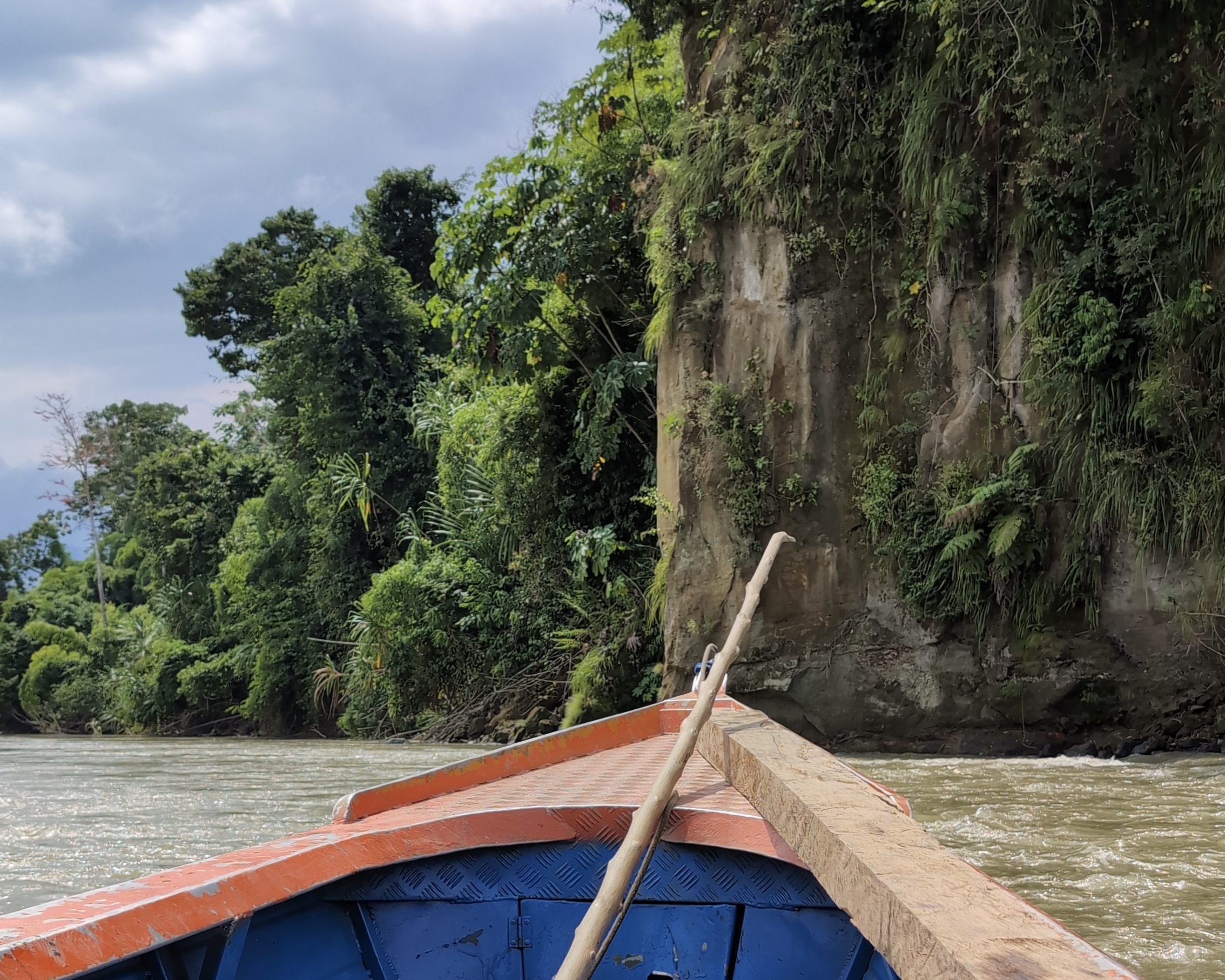
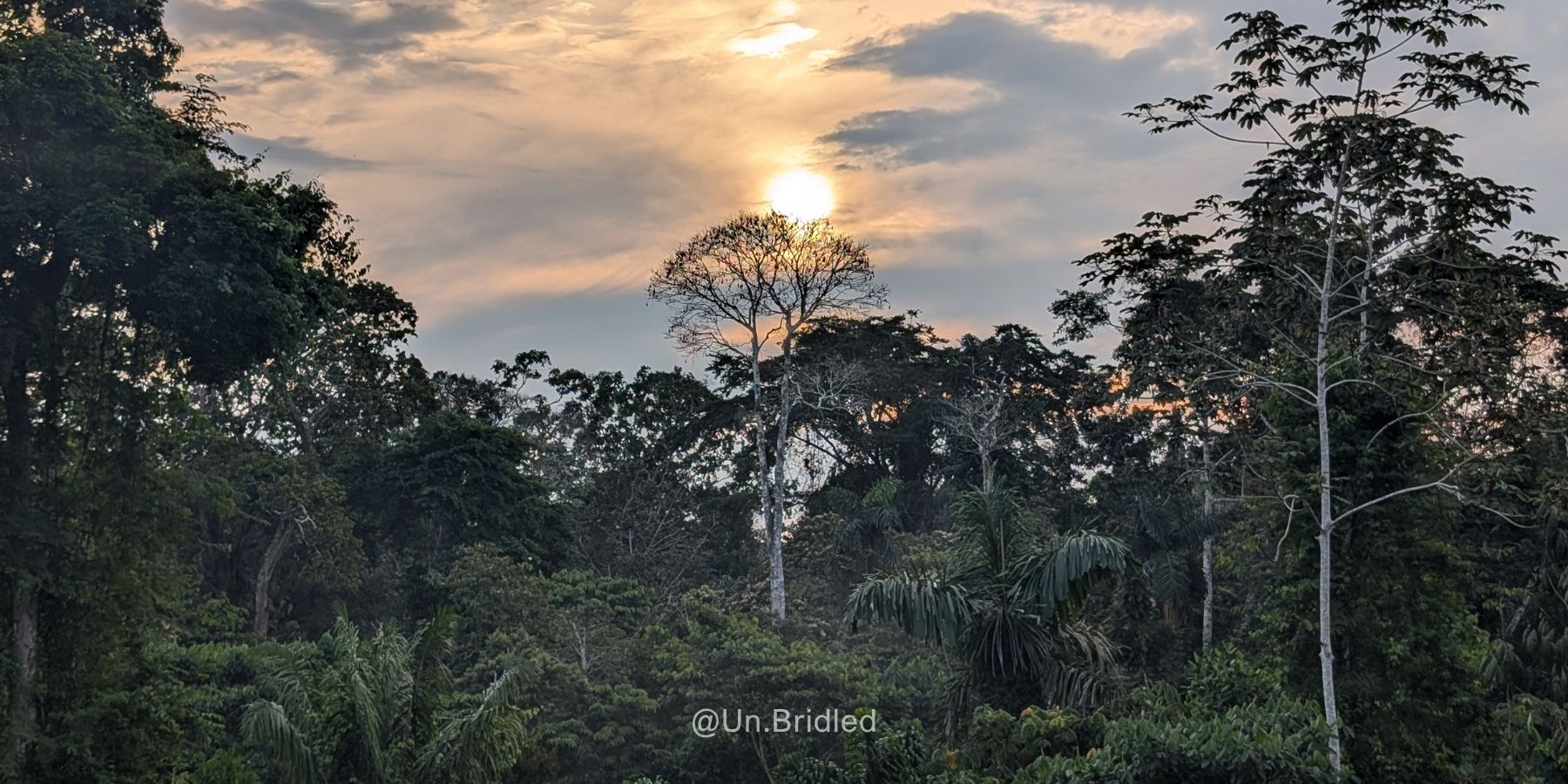
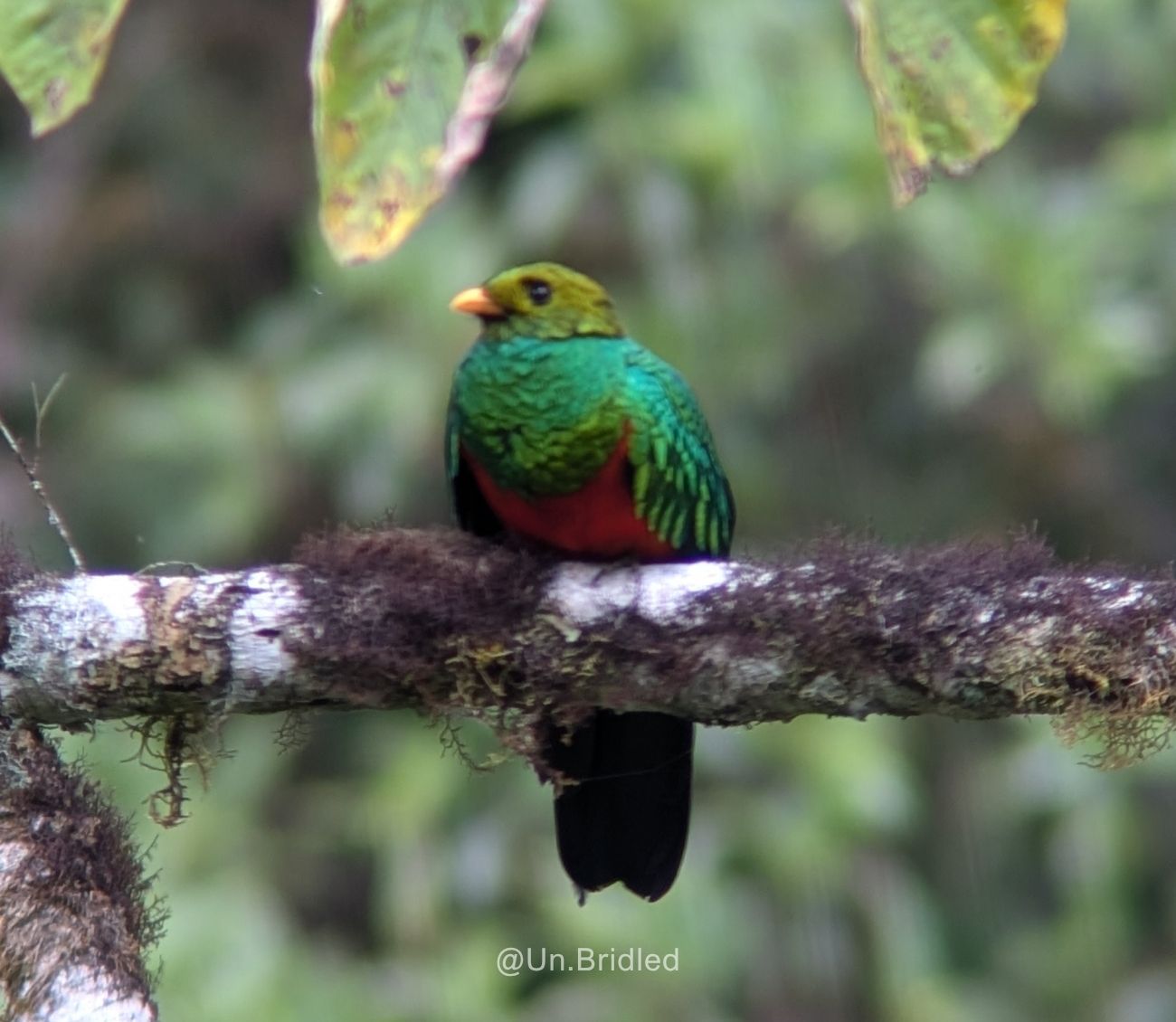
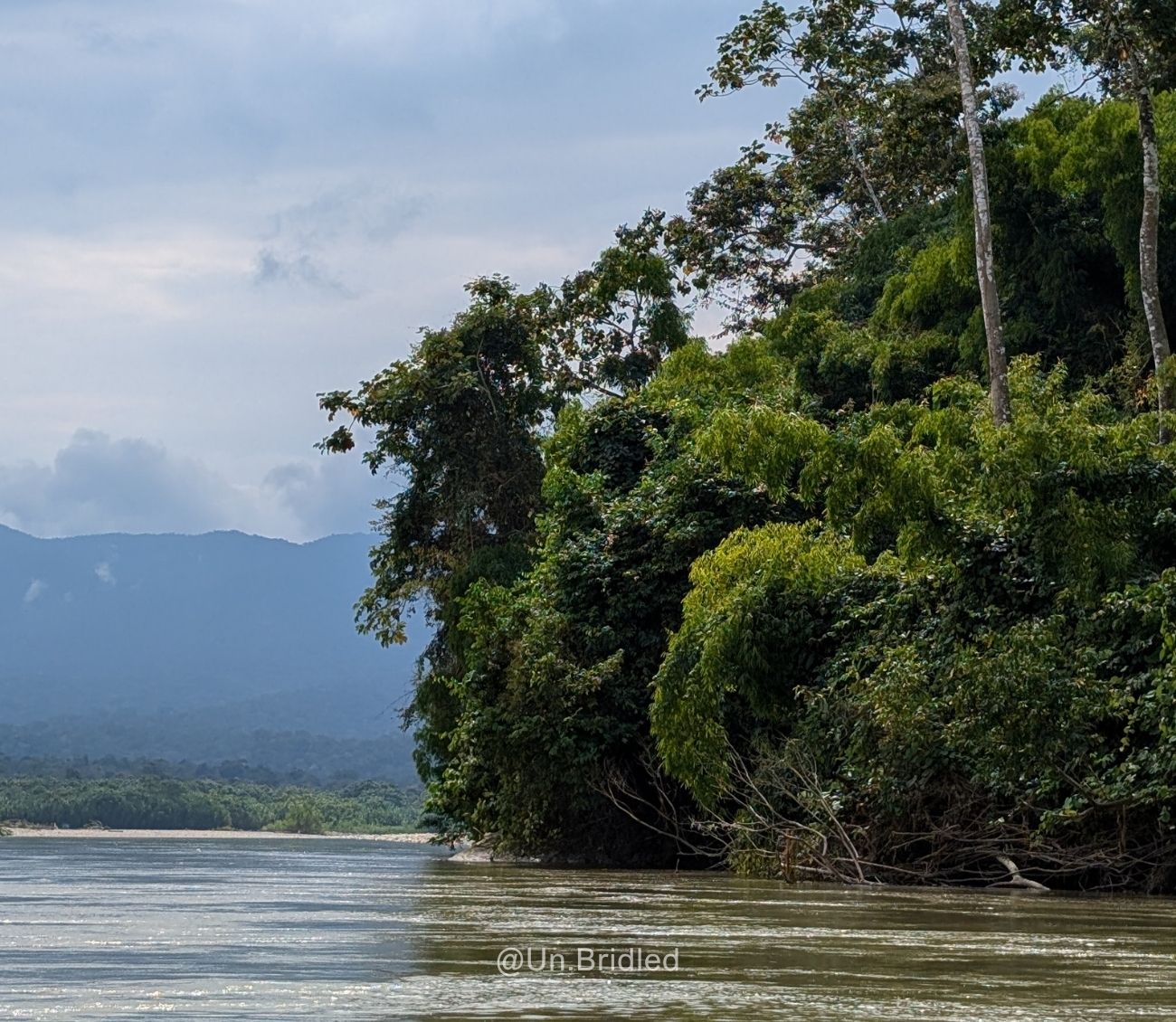
This proposal puts at risk some of the most biodiverse Protected Areas of the Peruvian Amazon: Manu National Park, Bahuaja Sonene National Park, and Amarakaeri Communal Reserve; home to jaguars, giant river otters, spider monkeys, South American tapirs and more. These parks are already fighting illegal mining along their borders. Furthermore, if approved, it would set a dangerous precedent, showing how easily a change of government can put a Protected Area and years of conservation work, at risk. In a world still fighting global warming and the depletion of natural resources, how can policies like this even be on the table? And is there anything travellers can do?
What Is A “Protected” Area?
A Protected Area is formally described as “a clearly defined geographical space, recognized, dedicated and managed, through legal or other effective means, to achieve the long-term conservation of nature with associated ecosystem services and cultural values.” (IUCN). These are created through legal instruments and must have a scientific basis that establishes their importance. A unique ecosystem or a threatened species is usually what motivates the protection of the area and the resources involved. The size of the area is also decided during this process, and it can even span more than one region or country. Once approved, the legal protection is usually permanent, or long-term when it is tied to a specific conservation goal.
As of 2026, around 18% of land and inland waters and 8.4% of oceans and coastal areas are protected. Both are growing far too slowly to meet the 30x30 goal of protecting 30% of the planet by 2030. Even so, protected areas have already delivered remarkable results in climate stability, biodiversity and public awareness. For example, the fragile mountain gorilla population in East Africa has climbed back from the brink of extinction thanks to the protected areas of Bwindi Impenetrable National Park in Uganda, Virunga National Park in the DRC and Volcanoes National Park in Rwanda. Another example is ARPA (Amazon Region Protected Areas Program) which legally shields nearly 60 million hectares, keeping a colossal amount of carbon locked in the forest and out of the atmosphere.
What Happens When Protection Is Rolled Back?
If these areas have proved to work for conservation and global sustainability efforts, why don't we have more? The answer is closely connected to their main threats. When a Protected Area is approved, its protection level either bans resource extraction outright or limits it to small-scale, low-impact use. Some of those resources are extremely valuable on the global market, which brings us back to the news. The Amazon's richness in flora and fauna sits on top of an equally rich concentration of hydrocarbons and gold, making it economically attractive for extraction companies and governments that profit from it. This conflict of interest is far more common than rare, and it drives a global phenomenon known as PADDD — Protected Area Downgrading (lose of rules), Downsizing (cut of boundaries), and Degazettement (removal of protection entirely)¹.
In most cases the consequences mirror exactly what protected areas exist to prevent: biodiversity decline, habitat loss and fragmentation, and the loss of natural benefits like clean water and clean air. One of the earliest recorded PADDD events hit one of the world's famous parks: Yosemite National Park in the U.S., which lost in 1905 around 30% of its area to logging and mining interests, causing severe habitat fragmentation. Another example is the downsizing of Bears Ears National Monument also in the U.S., which reduced its area by 85% in 2017, restored in full in 2021, and cut again by roughly 90% in July 2026 — three reversals in nine years, each one following a change of administration.
There is a bitter irony in how this phenomenon happens, because industrial, high-impact extraction is exactly what the protected area was created to stop in the first place. Therefore, when a new political trend or a new investment interest pushes to downsize it, years of conservation work are reduced to a joke so that a new set of people can profit from the land. Meaning the “conservation” only saved the resources for the next extractor.
Currently, more than 3,800 PADDD events have been legally enacted worldwide, affecting around 3.1 million square kilometres, of which 61% are related to industrial-scale resource extraction and infrastructure development. And the number keeps growing at an alarming rate. It raises an uncomfortable question: are political shifts and increasing tensions worldwide accelerating this trend? Researchers and global organizations are already analyzing the topic. In particular, some papers have found a link between the rise of right-wing populism and proposals to open up protected land, since these agendas tend to prioritize industrial growth and leave environmental goals second. Yet, PADDD events have also happened under left-wing governments.
How Do We Fight Back?
The vulnerability of protected areas and their biodiversity is a worldwide challenge, but the pushback against PADDD is powerful. Indigenous communities, state governments, environmental organizations, and the legal system are actively fighting to defend the Protected Areas we already have.
First, through direct legal resistance. The downsizing of a protected area always begins as a proposal, which gives lawyers, courts and local communities a window to fight it. Mobilizing together has blocked and shelved these proposals in several documented cases.
Second, through the inclusion of Indigenous Peoples and land protectors. Scientific research shows how lands managed by these groups consistently protect forests, biodiversity and carbon stores at levels equal to or greater than government-designated protected areas. For them the land is not an economic asset but a cultural and ancestral commitment, at a depth the state may never replicate. Furthermore, their health and livelihoods are directly threatened by mining and extraction operations. That makes Indigenous Peoples not another conservation instrument but the foundation of the defense against downsizing. A great example is the Waorani Indigenous community in Ecuador, who won a landmark legal ruling in 2019 to prevent the Ecuadorian government from auctioning their land for oil and gas exploration, securing around 500,000 acres of Amazonian rainforest.
How Does Tourism Protect Critical Areas?
Land defenders, Indigenous communities and Protected Areas are all under constant economic pressure. And that is where responsible tourism can ease the pressure and even sustain the area's legitimacy. A tourist visit contributes financially through fees, accommodation and tours, and creates jobs for the communities inside and around the park. — making the it worth more standing than exploited. It also feeds the region and the country through visitor taxes, and raises local purchasing power and trade. Tourism also supports through education. A tourist who visits a protected area doesn't just look at a monkey — they learn about its habitat and its place in the ecosystem. Understanding helps us connect with wildlife and shapes our daily decisions towards more sustainable options. Furthermore, it makes us more likely to speak up when downsizing proposals reach the table. And the exchange runs both ways: guides and local hosts can learn about sustainable practices from the operators and experienced travellers.
Madidi National Park in Bolivia is great example of this proposal. Here, tourism run by Indigenous communities and community-owned eco-lodges has shown that a standing forest secures long-term village income. It has also helped communities suspend the dam project Chepete-El Bala, that threatened to flood and downsize major sections of the park.
However, it is important to stress that this tool has to be managed sustainably and responsibly. Badly managed, tourism can do more damage than the threats it is meant to offset. For example, the famous Maya Bay (inside the Hat Noppharat Thara-Mu Ko Phi Phi National Park) received for years unregulated mass tourism and daily speedboats. Destroying over 80% of the bay's coral reefs due to illegal anchoring, fuel leaks, and chemical sunscreen pollution. The ecological collapse was so severe that the government had to completely close the bay in 2018 to allow coral rehabilitation. As travellers, we choose the destinations, the operators and our own behaviour — and those choices are what make our impact positive or damaging.
Protected means kept safe from danger or harm. With political tensions rising, that protection is exactly what our Protected Areas — and all the wildlife inside them — need from us. Conservation efforts cannot be reduced or discarded for the enrichment of a few transient extractors. Resisting and speaking out against PADDD events, where the ecological harm is clear, is necessary — and proven to work. And we can help prevent these events by including Indigenous communities in the decisions, and by supporting the kind of tourism that eases economic pressure and teaches people worldwide why these areas, and the biodiversity they hold, matter. The Peruvian Amazon faces a long fight against illegal and industrial mining, and we don't know yet who will win. But when you picture the future, which one do you want to see: a lush green jungle with clear water and singing birds, or dry land, dark poisoned water and nothing alive in it?
· · ·
¹ Although most PADDD events have negative causes and impacts on biodiversity, the IUCN's World Commission on Protected Areas treats the term as neutral, since in some cases a PADDD event has no negative effect on conservation.